News
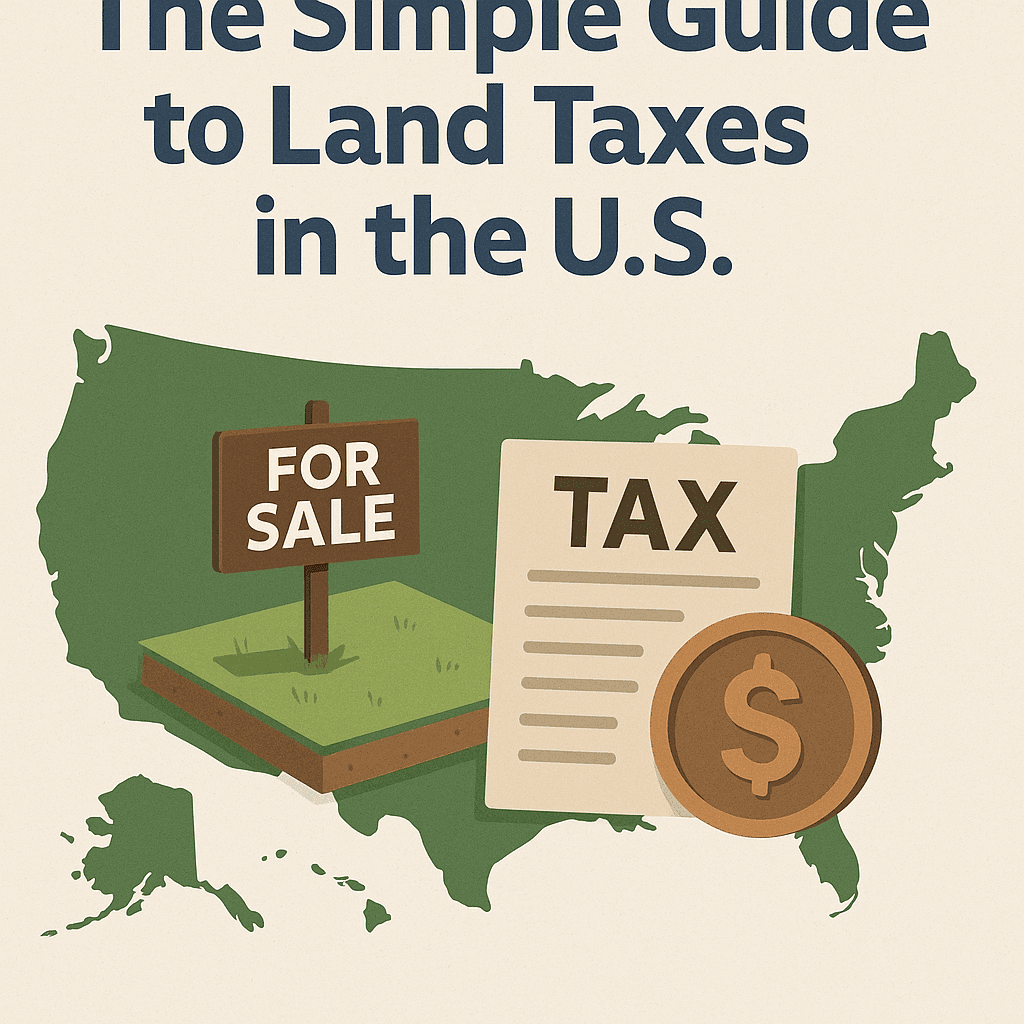
The Simple Guide to Land Taxes in the U.S.
Understand land taxes in the U.S.: property tax basics, transfer taxes, capital gains, exemptions, and how to plan your budget as a landowner.
· Elie Shalom · 2 min read
Buying land is exciting, but before you sign the papers, it’s important to understand the taxes that come with ownership. Property taxes and other fees may seem small at first, but they can have a long-term impact on your budget and investment returns. Here’s what you need to know to stay ahead and avoid surprises.
What Is Property Tax?
Property tax is an annual cost every landowner must pay.
- Rates vary by state and county, often based on the assessed value of your land.
- Rural properties may have lower taxes, but don’t assume, always check before buying.
- Some counties reassess values annually, which can raise your tax bill over time.
What About Transfer Taxes?
When land changes hands, some states charge a one-time transfer tax or deed recording fee.
- The amount is usually a small percentage of the purchase price.
- In some rural areas, this fee is minimal or waived entirely.
- Ask your title company or closing agent if transfer taxes apply to your deal.
Are There Capital Gains Taxes When You Sell?
Yes, if you sell your land for more than you paid, the IRS may tax your profit.
- The rate depends on how long you held the property.
- Short-term gains (sold within a year) are taxed higher than long-term gains.
- Some exemptions may apply if the land qualifies for agricultural or conservation use.
Can You Reduce Your Tax Burden?
Smart buyers look for opportunities to lower costs.
- Agricultural exemptions or “greenbelt” programs may reduce property tax.
- Conservation easements can provide tax credits while preserving the land.
- Homestead exemptions may apply if you live on the property.
What Other Fees Should You Expect?
Beyond taxes, land ownership may include:
- HOA or community fees if the land is part of a subdivision.
- Special assessments for road maintenance or utilities.
- Permitting fees if you plan to build.
These costs add up, so include them in your budget.
Final Thoughts
Taxes aren’t the most exciting part of buying land, but they’re one of the most important. By researching property taxes, transfer fees, and exemptions in advance, you’ll avoid unexpected costs and keep your investment profitable.
The bottom line: always ask about taxes before you buy, and consider them as part of your overall return on investment.
Looking at a specific parcel?